Field notes: the week a ranked parcel list rewrote our outreach order
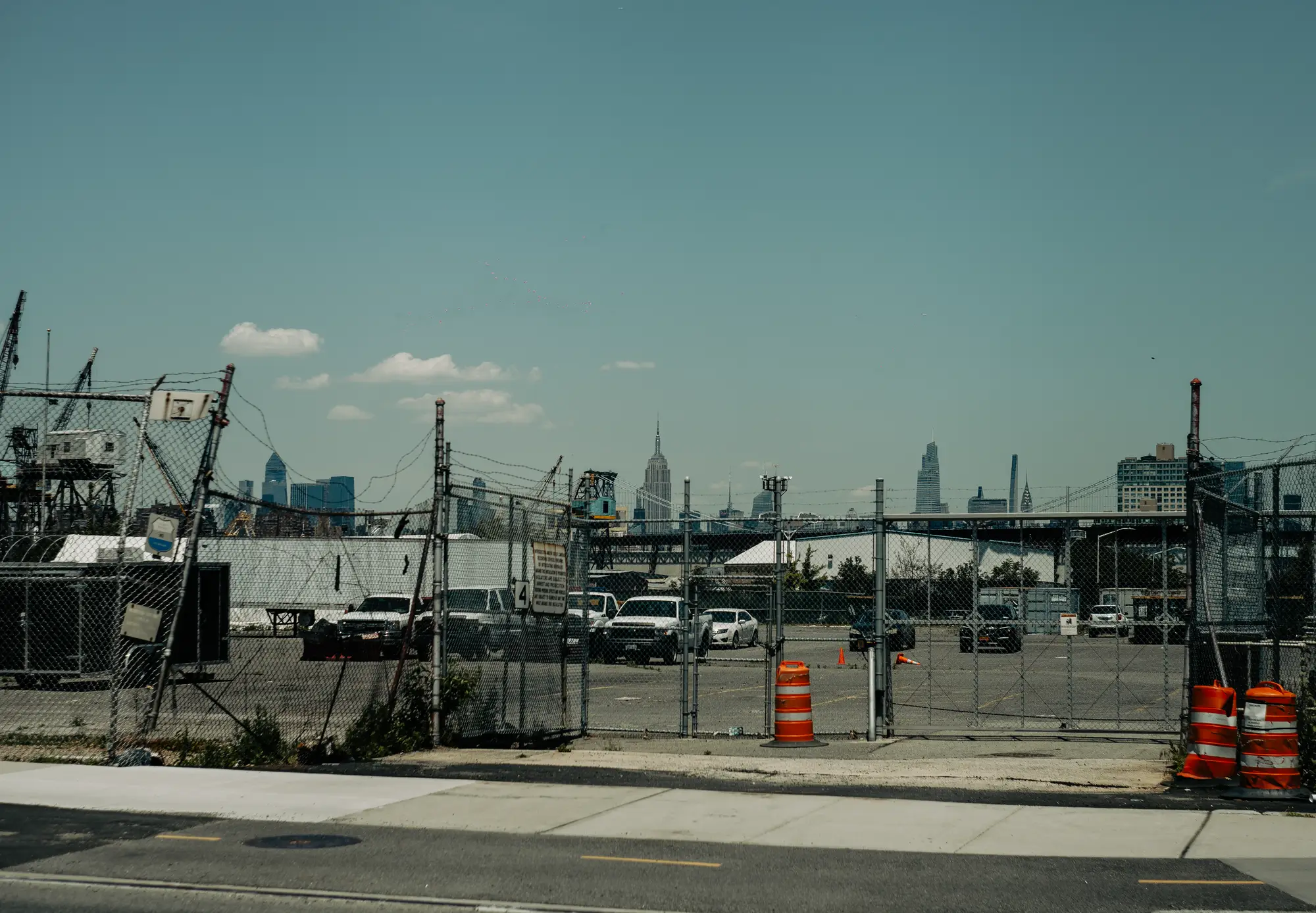
Every acquisition analyst has a version of the same ritual. You get a submarket assignment, pull the parcel boundaries into GIS, and start driving streets in whatever order feels right that morning. Usually it's the route from the office to the highway. Sometimes it's just whichever quadrant has the best coffee on the way. The outreach order that comes out of that process is really a route plan wearing a strategy's clothes.
I've run that ritual dozens of times. Last month it got interrupted, and the interruption is worth writing down.
The usual order
Pick any built-up submarket and the obvious sites jump out first: the vacant corner lot with the For Sale sign still up from two cycles ago, the gravel lot behind the strip center, the half-acre next to the gas station that everyone in the office has already circled in red. Those parcels get called first because they're visible. They're also, by definition, the ones every other analyst in town has already called.
What doesn't jump out is the self-storage facility on a half-acre of surface parking that could support four times its current footprint, or the single-story retail pad sitting on land zoned for mid-rise that nobody's touched since the strip mall went up in 1994. Those parcels don't look like opportunities from the street. They look like businesses doing fine. You only catch them if you're cross-referencing zoning against footprint against last-permit-date, parcel by parcel, which is the part of the job nobody has time to finish before the LOIs start going out.
What changed the order
The week I'm writing about, I had a ranked list instead of a blank map. Instead of starting with the obvious vacant lots, the list put an underused auto-parts store near the top, a single-tenant box on a corner with three times the buildable area it was using, and a surface lot behind a bank branch that had sat untouched through two rezonings. The vacant corner lot I'd have called first was somewhere in the middle of the pack, already flagged by its listing history as picked over.
So I flipped the order. Called the underused sites first, the obvious vacant ones later. Two of the first five calls turned into actual conversations with owners who hadn't fielded a land offer in years, because nobody had thought to ask. The auto-parts store owner didn't even know the zoning had changed under him.
None of that means the list was right about everything. One of the "underused" flags turned out to be a parcel with an active lease running another eight years, something a ranked list built from imagery and change history has no way to know. Ground-truthing still happens. Calls still get made that go nowhere. But the order of who gets called first, and in what week, changed, and that's the part that actually matters for a pipeline with a deadline.
The order is the strategy
Outreach order decides whether your first ten conversations are with owners who've heard six pitches already or owners who haven't heard one. A submarket with a ranked list of undeveloped and underused parcels does the cross-referencing before you ever touch the phone, so the obvious sites and the overlooked ones both show up in the same pass instead of one crowding out the other.
I don't think the blank-map ritual disappears. Somebody still has to drive the streets and knock on doors. But starting from a shortlist instead of a blank parcel map changes which doors get knocked on first, and in a submarket where everyone's working the same obvious corners, that's the whole game.
If your next submarket assignment is still starting from a blank map, Development Capacity turns the parcel scan into a ranked starting list before your first call.