How to prioritize submarkets on a limited acquisition budget
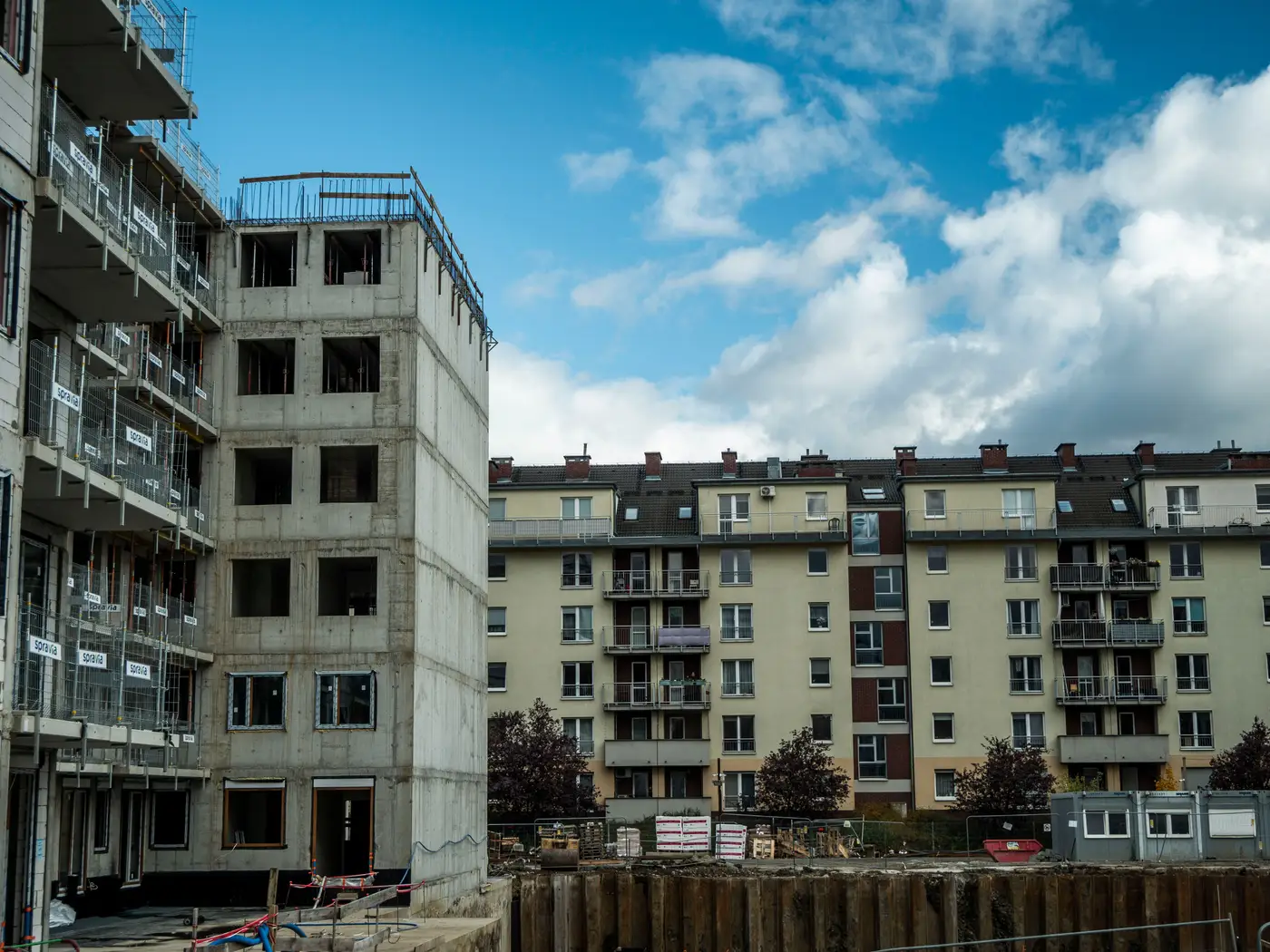
When the acquisition budget only covers three or four submarket studies this cycle, the question isn't "which submarket looks good." It's which one to spend the first study on, because a bad pick there costs you the quarter.
Most teams default to whatever's loudest: a broker call, a council rezoning headline, a competitor's groundbreaking two exits down the highway. That's reacting to whoever called last, and calling it a screening order gives it more credit than it deserves.
Rank by constraint, not by appeal
Before you rank submarkets by upside, rank them by what's actually limiting your pipeline right now. If your last three deals died in entitlement, screen submarkets where zoning already supports your product type, not ones that need a variance before you've even run comps. If capital's the constraint, screen where land basis is lowest relative to rent growth, even if the story is less exciting than the "emerging" corridor everyone's chasing.
Write down the actual bottleneck before you open a single parcel map. Teams skip this step because it feels like a delay, then spend six weeks studying a submarket that was never going to clear the committee's risk tolerance anyway.
A few filters that do real triage work, roughly in the order they should run:
- Zoning fit first. If the base zoning doesn't allow your product without a legislative act, that submarket drops to the bottom of the list regardless of demographics.
- Absorption against your hold period. A submarket with great rent growth but an 18-month lease-up isn't a fit if your fund needs stabilized exits in 24 months.
- Comp density. Submarkets with thin comp sets cost more analyst hours per deal. If you're staffing this with one acquisitions associate, that matters as much as the fundamentals.
- Parcel availability. This is the one most teams guess at instead of checking. A submarket can have perfect fundamentals and almost nothing sitting underused.
That last filter is where a lot of pipelines quietly stall. An analyst spends two weeks confirming a submarket's demand story, then opens the parcel map and finds three owner-occupied lots and a church parking lot that's never coming to market. The fundamentals were right. The inventory wasn't there.
Screen inventory before you screen fundamentals
This is the order most teams get backward. Fundamentals research (rent comps, absorption, demographic trend) takes longer and tells you less about near-term deal flow than a basic read on what's sitting vacant or underused in the submarket. Flip the order: confirm there's real buildable inventory first, then spend the fundamentals budget on the submarkets that clear that bar.
The problem is that confirming inventory has traditionally meant someone scrolling the parcel viewer block by block, cross-referencing it against permit records to guess what's undeveloped versus what just looks that way from the street. That's slow enough that most teams skip it and rely on gut feel from a windshield survey instead, which is how a submarket with three teardown candidates and a dead strip mall ends up ranked below one that just has a better press cycle.
Development Capacity builds a ranked parcel list for a submarket from imagery and change history, so the inventory question gets answered before the committee argues about which market to study next. Instead of a blank map and a hunch, you start with a shortlist of parcels that are undeveloped or underused, and you can decide in an afternoon whether a submarket has enough real estate under it to justify the fundamentals work.
A reasonable screening order
Put it together and a workable triage sequence looks like this: confirm base zoning allows your product, pull a parcel-level read on what's sitting vacant or underused, then spend fundamentals research only on the submarkets that pass both. Submarkets that fail either test get parked, not studied, no matter how good the story sounds at the broker lunch.
With a tight budget, the goal isn't finding the single best submarket. It's not burning a study on one that was never going to clear your own filters.
Start that screening order with a parcel shortlist instead of a blank map.