What is a holdout parcel, and why it can stall a site assembly
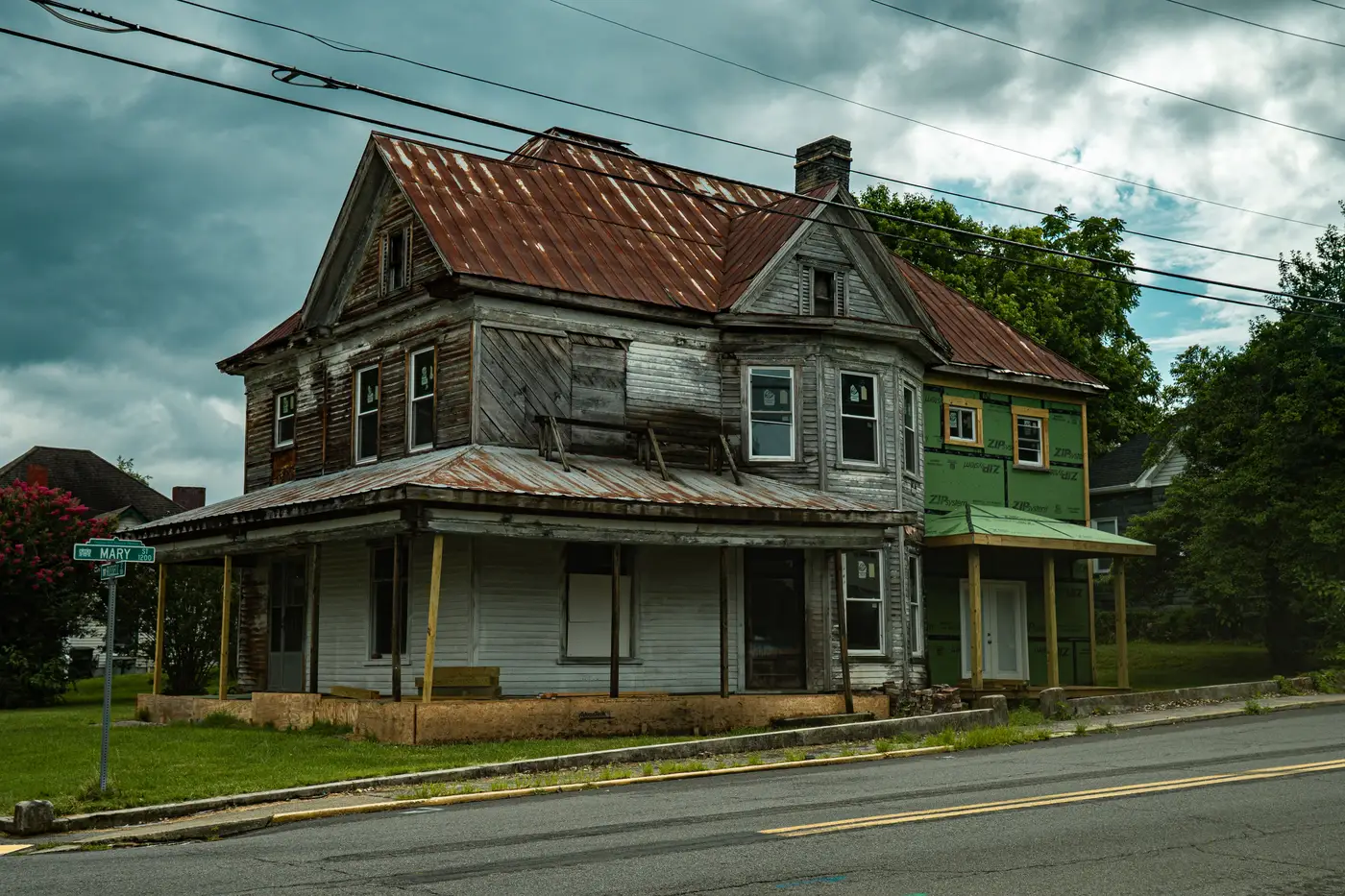
A holdout parcel is a lot inside your assembly footprint whose owner won't sell, or won't sell at a price that still pencils, after everyone around them has signed. The term gets used loosely for "the one owner who's slow to respond," but a true holdout is different: they know what you're building, they know you need their piece, and they're using that position on purpose.
That distinction matters because the two situations call for different plays. A slow seller is a scheduling problem. A holdout is a pricing problem, and sometimes a project-killing one.
Why one parcel can wreck an otherwise clean assembly
Site assembly works because a developer can offer each seller more than their land is worth standing alone, since the combined parcel supports a bigger building, a better site plan, or an entitlement a single lot could never get. That premium is the whole reason assemblage deals close at all.
The problem is that the last owner to sign knows the premium exists too. Once nine of ten parcels are under contract or closed, the tenth owner isn't negotiating against the value of their lot anymore. They're negotiating against the sunk cost of your deal: the LOIs already signed, the carry on parcels you already own, the entitlement clock running, maybe a construction loan commitment with a drop-dead date. A parcel that would have sold for ordinary land value in isolation can suddenly command a number that has nothing to do with its size or zoning, and everything to do with how badly you need it.
This is why experienced acquisition teams treat parcel count and ownership fragmentation as risk factors from day one, not something to deal with once the site plan is drawn. A ten-parcel assembly with ten different owners carries real holdout risk. The same footprint under three owners, or one owner who already controls six contiguous lots, does not.
Spotting holdout risk before you're committed
A few things tend to predict a holdout situation before any LOI goes out:
Owner-occupied small parcels inside a larger assembly. An owner who lives on or runs a business out of the parcel has less financial pressure to sell on your timeline than an absentee owner carrying a vacant lot.
A parcel that's the last piece of a prior failed assembly. If a previous developer walked away from the same footprint, check why. Sometimes it's market timing. Sometimes it's one owner who sank the last deal and will sink yours too.
Corner lots and access parcels. A small lot that happens to sit on the only street frontage, or controls the one curb cut that works for your site plan, carries weight wildly out of proportion to its square footage. These are worth flagging and pricing in before you start assembling, not after.
Long hold periods with no listing history. An owner who's held a parcel for decades with no sale activity isn't necessarily a holdout, but they're also not a motivated seller, and that's a different conversation than buying from someone who already has the parcel priced to move.
None of this means avoid assembly deals. It means price the holdout risk into the deal before you're three parcels deep and can't walk away. Knowing where the small, awkward, underused lots sit relative to the parcels you actually need, before you've made an offer on any of them, is the difference between an assembly with one hard negotiation and one with a hostage situation. That's closer to the use case behind Development Capacity: a ranked parcel list for a submarket that surfaces the undeveloped and underused lots worth a second look, so the fragmented footprint is visible before a single LOI goes out.
If you're building a shortlist for a submarket and want the underused parcels flagged before you start calling owners, that's the problem Development Capacity is built around.